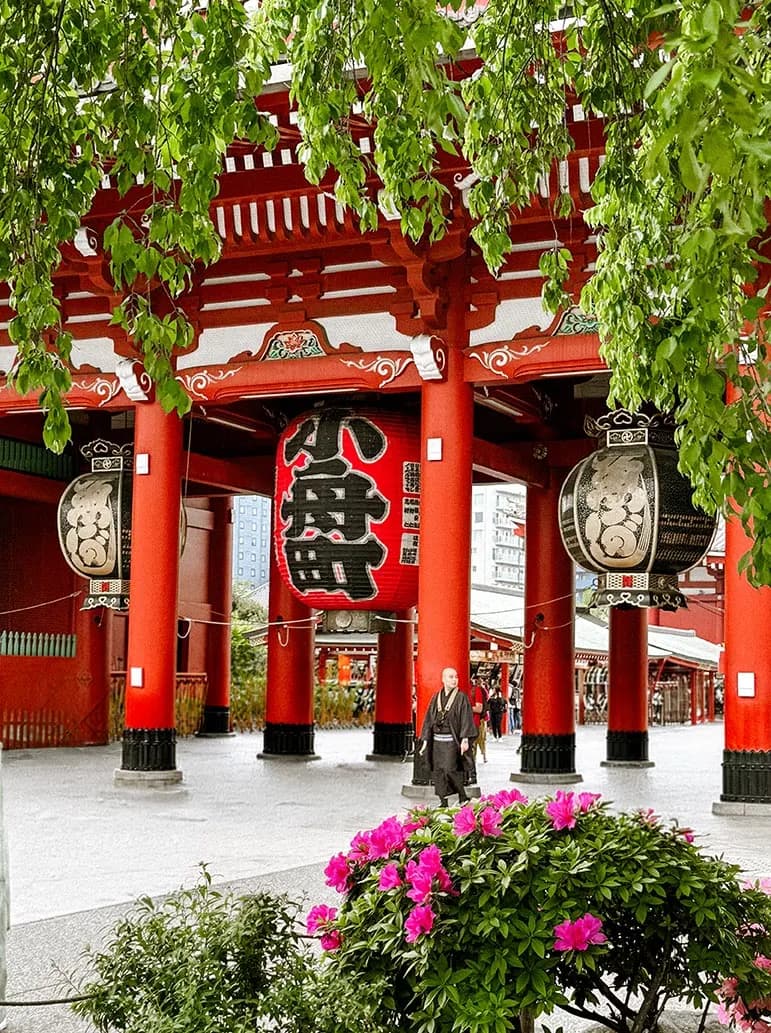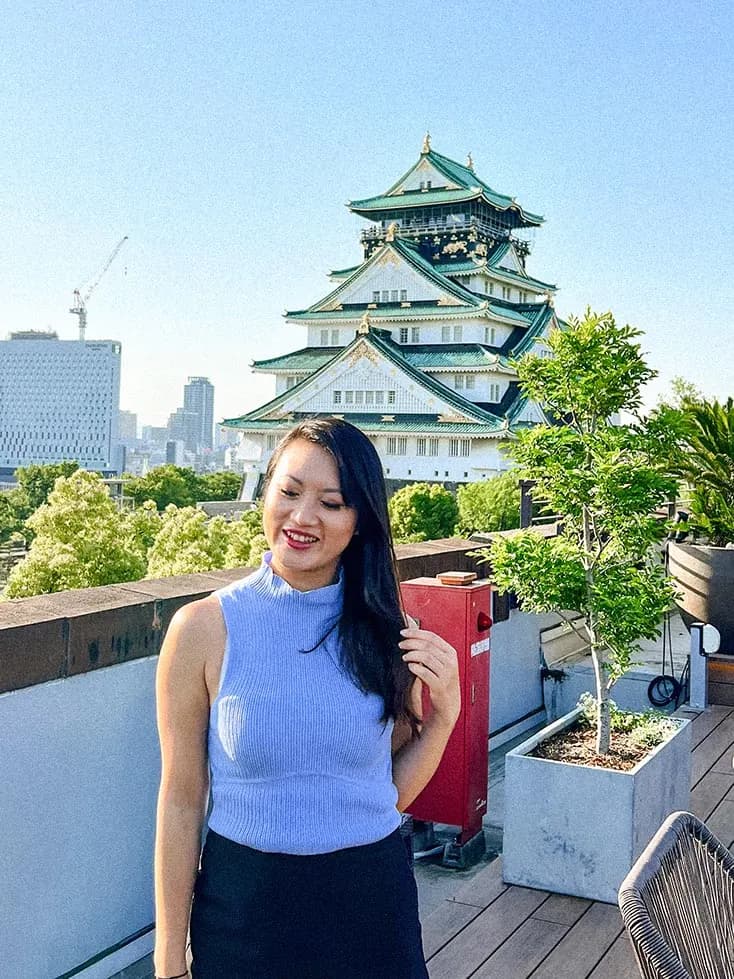
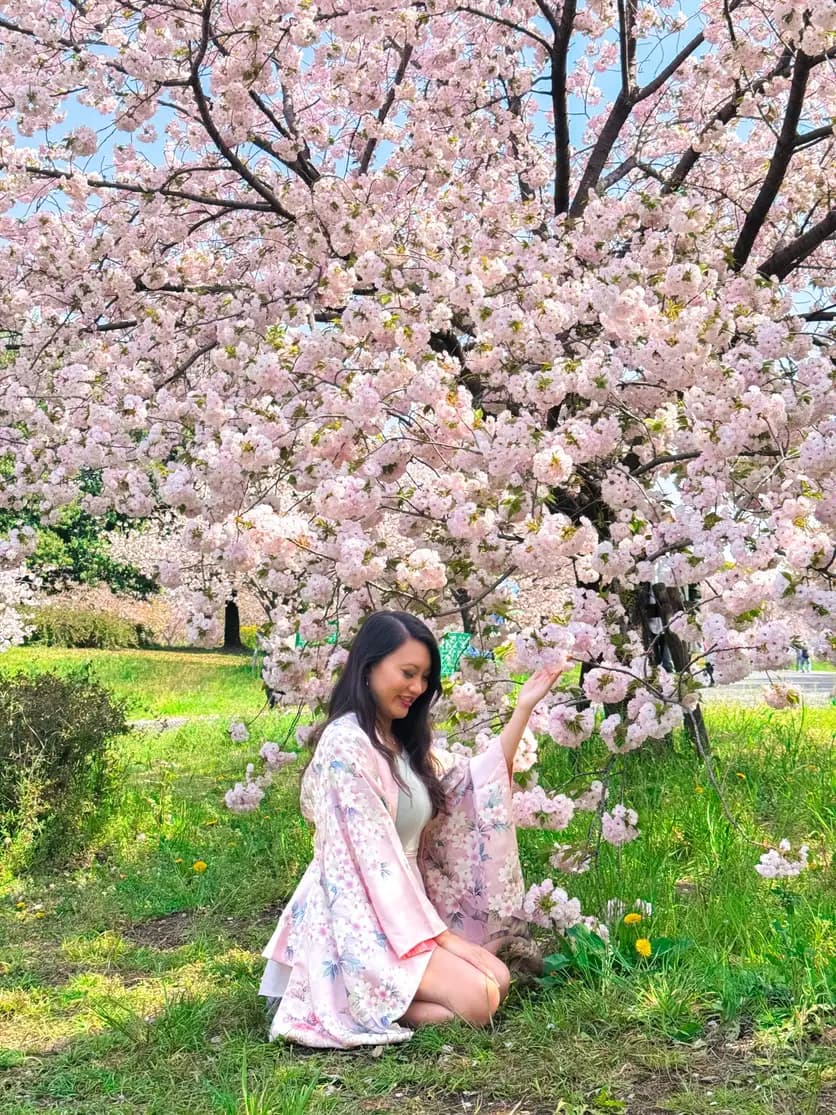
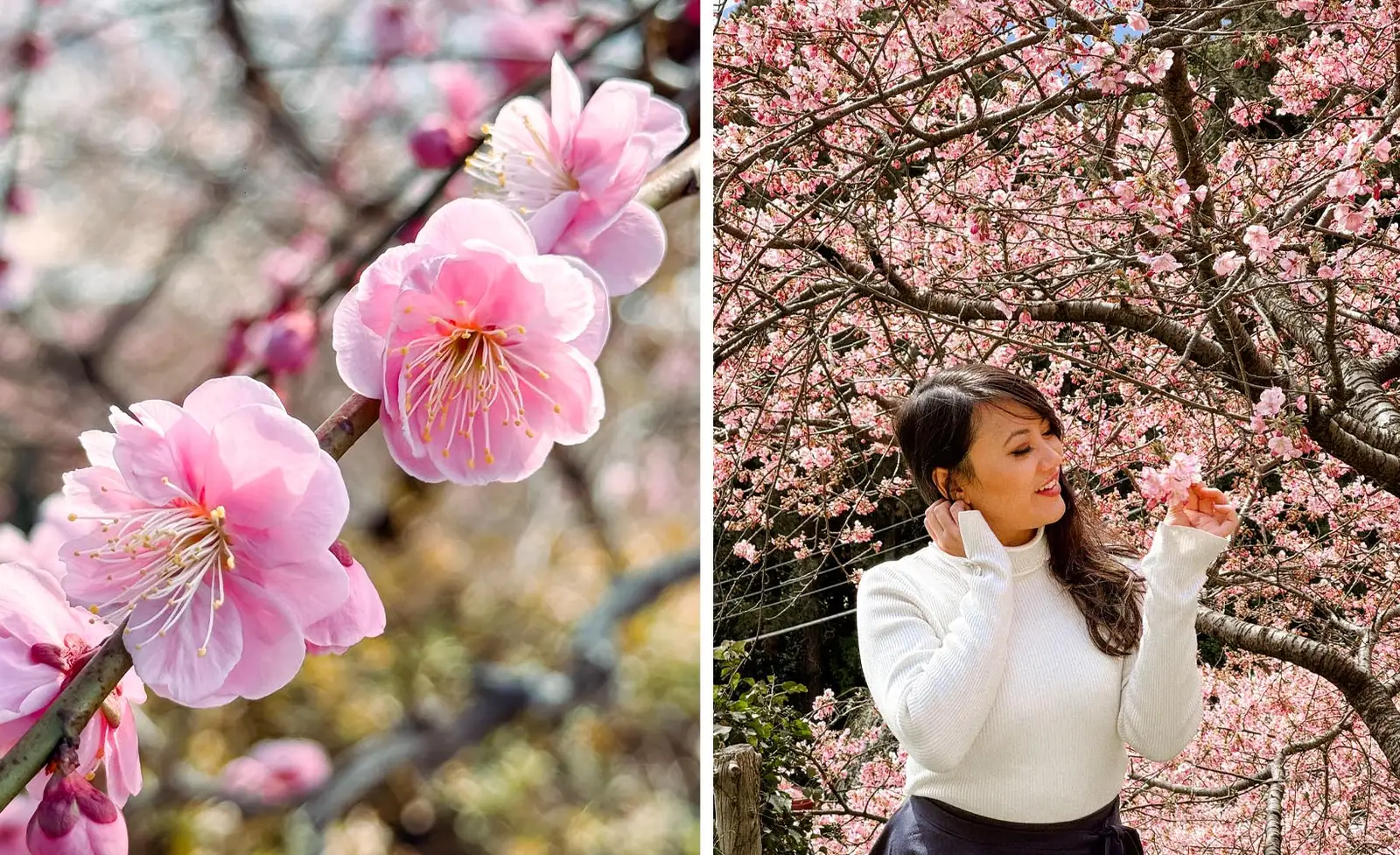
dreamy sakura, my favorite.
I’ve lost count of the exact number, but Japan and I are well past fifteen dates now. Dustin jokes that I plan our entire year around a two-week window when a few thousand trees decide to show off. He’s right. Sakura season in Tokyo turned me into the kind of person who checks bloom forecasts in January, and this guide exists so you can skip the trial and error I paid for in sore feet and missed picnics.
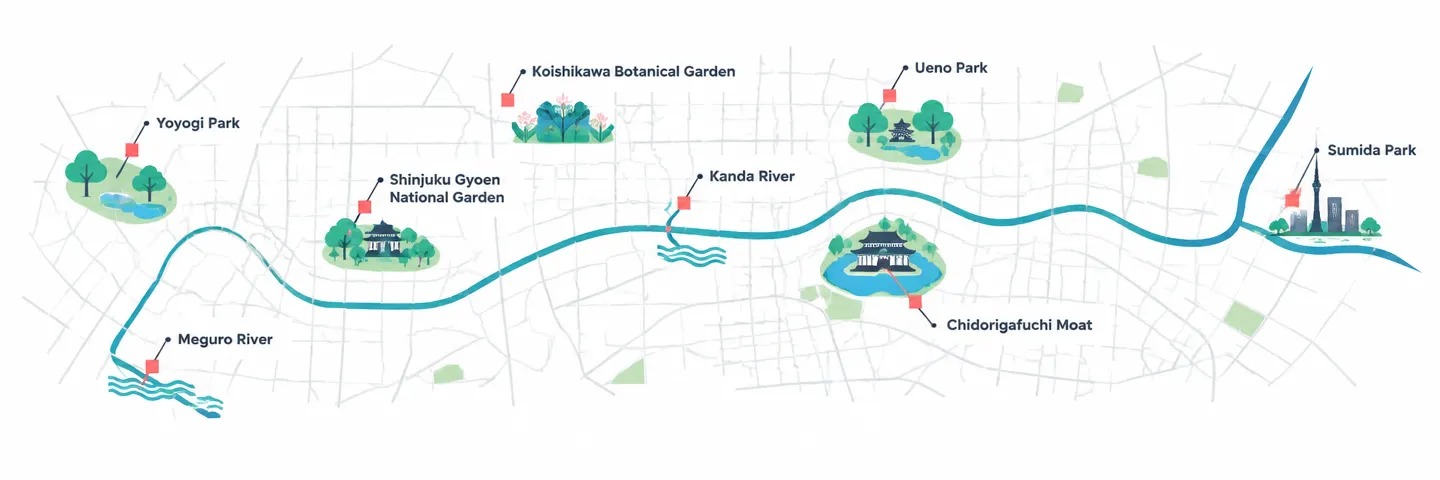
Tokyo’s best blossom spots, mapped.

Sakura Trip Snapshot
Best time to visit: Late March to early April, but the bloom moves every year.
Weather: 8–18°C (46–64°F), bring layers!
Getting around: Trains, subway, Suica or Pasmo card.
Currency: Japanese yen, and carry cash for shrines, small shops and food stalls.
Language: Japanese, with basic English in tourist areas.
Airports: Narita (NRT) or Haneda (HND). Haneda sits closer to the city if you can choose.
Best For: Blossom parks, picnics, night walks.
Timing the Bloom Without Losing Your Mind
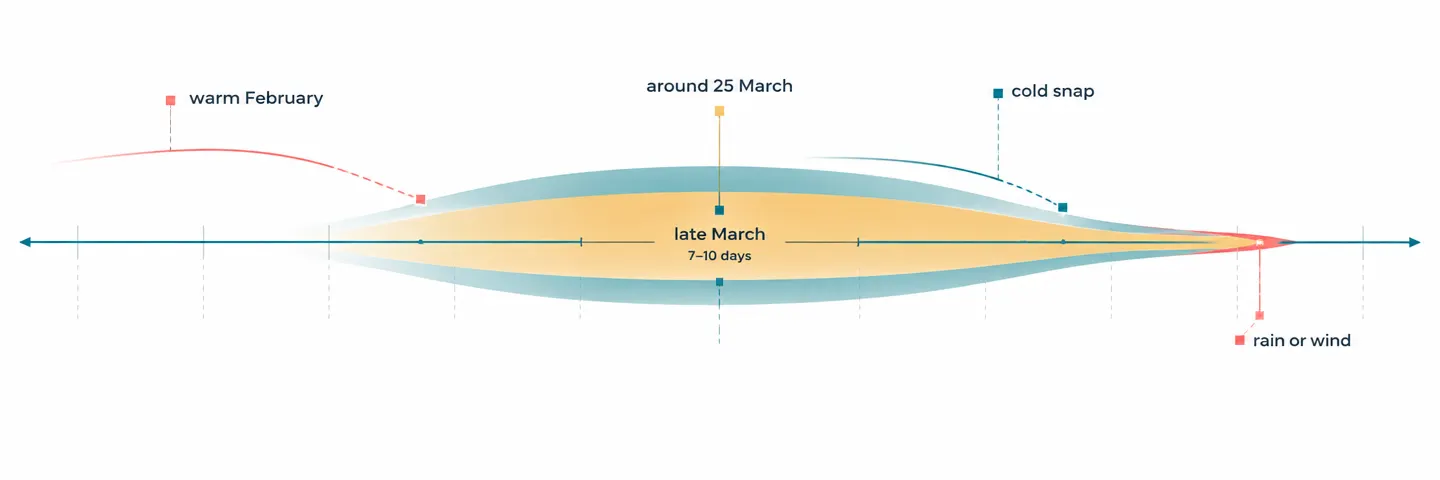
Here’s the thing that trips up first-timers. Cherry blossoms don’t run on a calendar, they run on temperature. A warm February pulls the bloom forward, a cold snap pushes it back, and forecasts from the Japan Meteorological Corporation and weather sites start publishing predictions from mid-January onward, updating every week or two.
Full bloom in Tokyo usually lands in late March and holds for roughly seven to ten days after the first flowers open. Rain or wind can shorten that considerably, which is part of the charm and part of the heartbreak. The Japanese concept of mono no aware, an appreciation for beauty precisely because it doesn’t last, makes a lot more sense once you’ve watched petals come down like snow on the third day of a trip.
My booking strategy after many attempts: aim your arrival for around March 25th. That gives you a strong chance of catching either the opening days or full bloom, and if the season runs late you’ll still see plenty. Book flights and hotels early, since Japanese travellers plan around this too and prices climb.
If you land earlier than expected, Kawazu-zakura trees bloom from February into early March, with lovely stretches along the Kyunaka River. Deep pink, longer lasting, and far fewer crowds.

Check the forecast weekly from February and follow a few Tokyo-based accounts posting real-time photos. You can even check the location in Google maps to check the most recent photos others post. Trees in one park can be at full bloom while another neighbourhood sits three days behind. Flexibility within Tokyo matters more than flexibility with your flights.
Where to See Cherry Blossoms in Tokyo
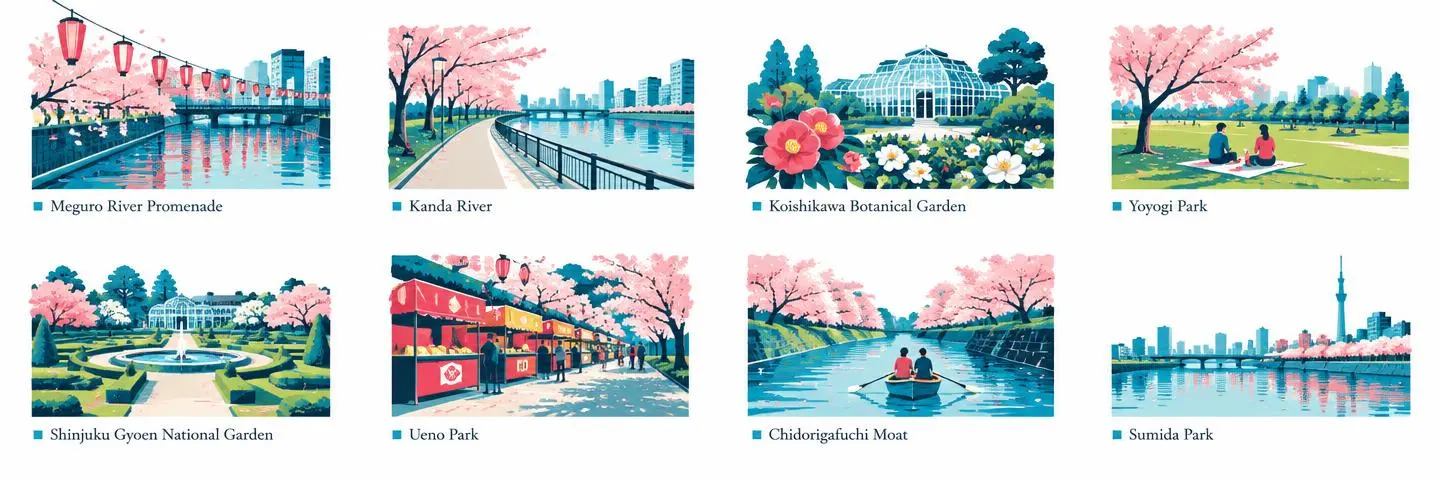
Each of these spots has a different personality, so pick based on the mood you’re after rather than trying to tick them all.
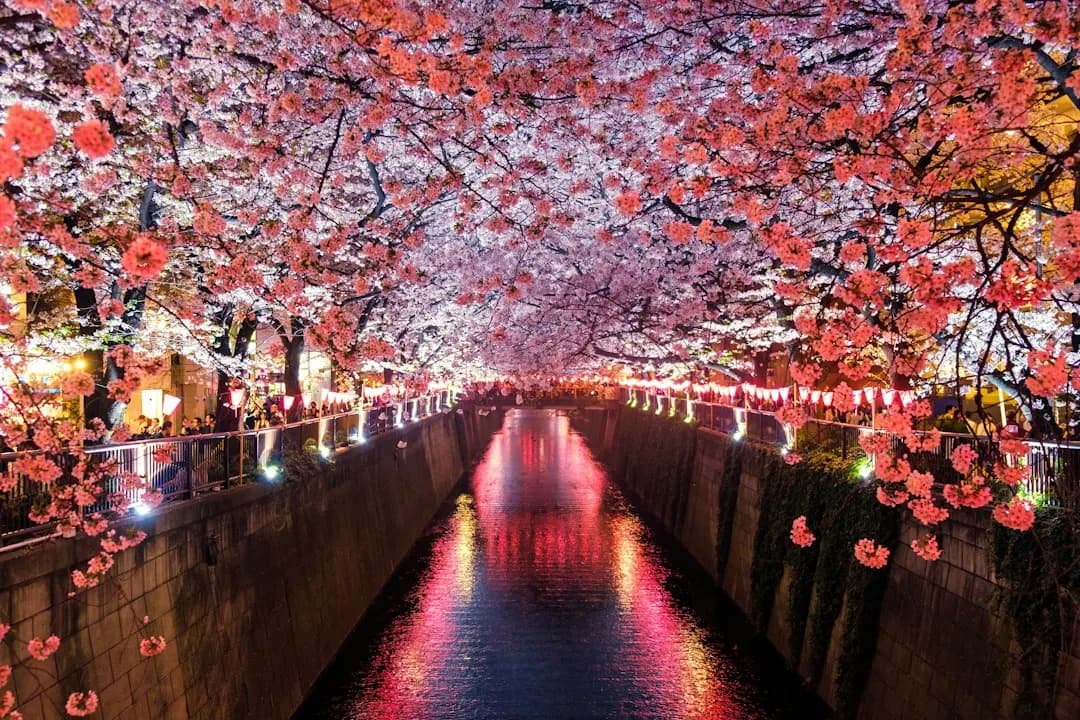
- Meguro River Promenade: Thousands of trees arching over the canal in Nakameguro, lovely by day and genuinely magical at night when the lanterns come on.
- Kanda River: Long, quiet stretches of cherry trees along the water for a relaxed walk without the crush.
- Koishikawa Botanical Garden: A peaceful setting with several cherry varieties, built for slow strolling and photography.
- Yoyogi Park: Spacious and social, the go-to for group picnics and casual hanami.
- Shinjuku Gyoen National Garden: Multiple cherry varieties, wide lawns, and beautiful landscaping, which makes it my top recommendation for first-timers. The varied tree types also extend your viewing window.
- Ueno Park: Rows of blossoms, food stalls everywhere, and a proper festival atmosphere. Busy and brilliant.
- Chidorigafuchi Moat: Blossoms framing the Imperial Palace moat, with rowboats available so you can drift beneath the branches.
- Sumida Park: Riverside trees with Tokyo Skytree rising behind them, wonderful for photos and evening walks.
Arrive at popular spots before 8am if photos matter to you. Meguro River at 7:30am is a completely different experience from Meguro River at 2pm, and the morning light does half the work for you.
Hanami Customs Worth Knowing
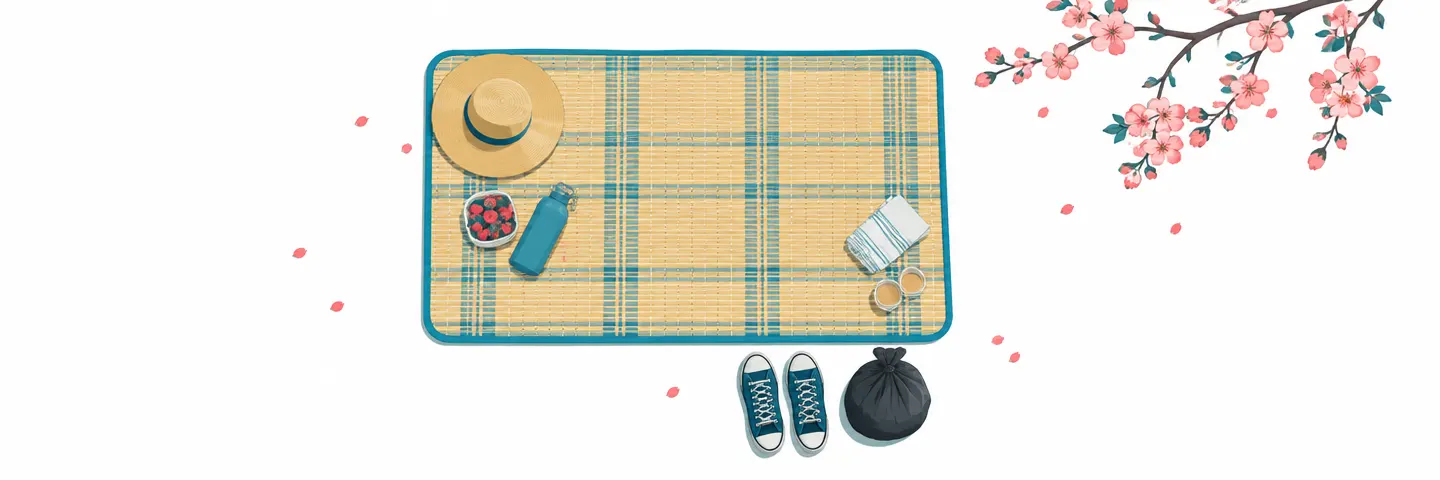
Hanami means “flower viewing”, and it’s a genuine social tradition in Japan rather than a tourist activity. Getting the etiquette right takes about two minutes to learn and earns you a lot of goodwill.
- Never pick blossoms, break branches, or shake a tree for a petal shower. It happens, people notice, and it’s the fastest way to make yourself unpopular in a park full of locals who’ve waited all year for this.
- Claim your picnic spot early, ideally mid-morning on weekends. You’ll see groups send one person ahead to lay a tarp, which is completely normal and very organised of them. Take your shoes off before stepping onto your mat, the same way you would entering a home.
- Japan has almost no public bins, so bring a bag and carry every scrap of garbage out with you. Many parks add temporary bins during the season, though they fill fast. Sorting your waste into burnable and plastics is standard.
- Keep your volume moderate. Japanese hanami groups can get lively, especially in the evening at Ueno, but there’s a general awareness of the people nearby. Alcohol is permitted in most parks, though a few gardens including Shinjuku Gyoen prohibit it, so check before you pack the sparkling wine.
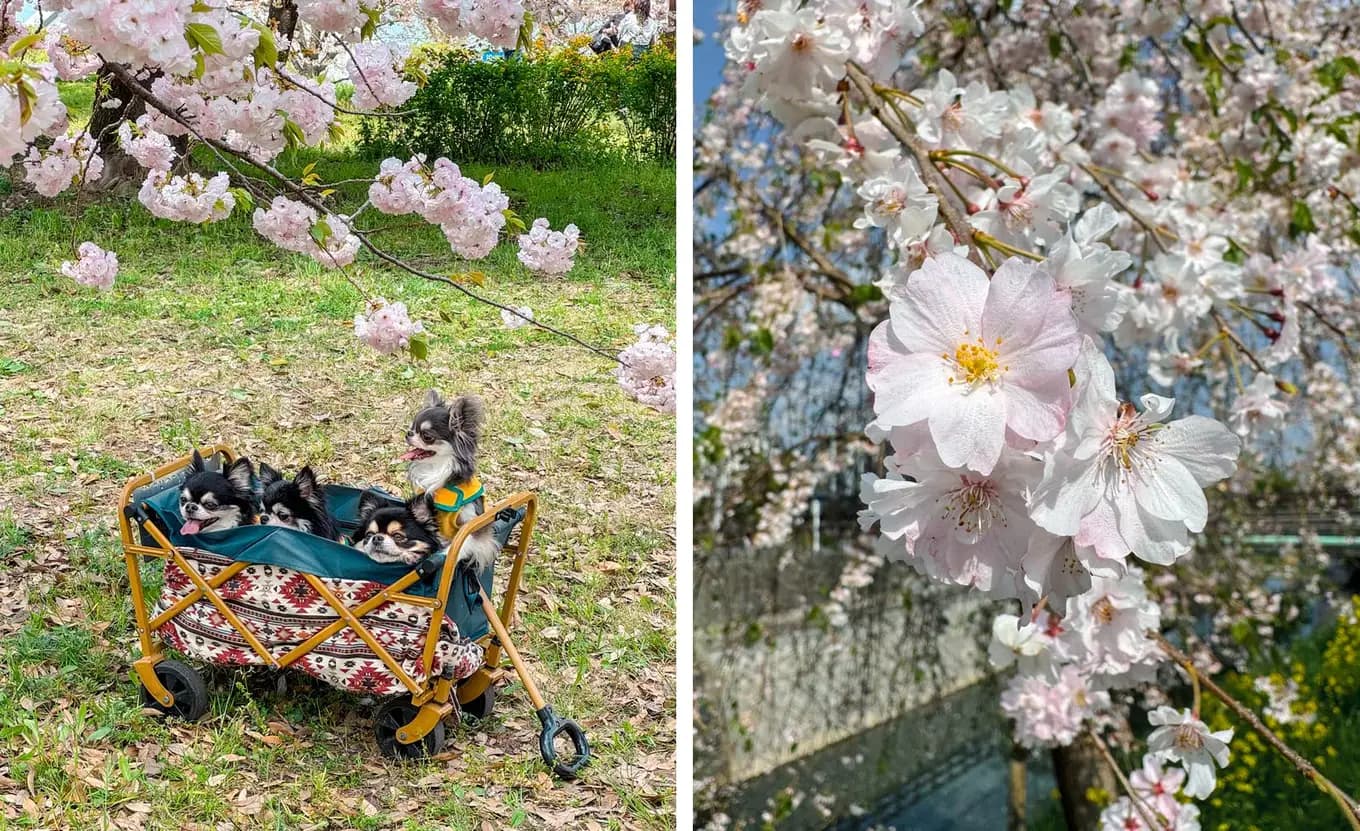
Learn three phrases and watch how people respond. — Sumimasen covers excuse me and sorry — Arigatou gozaimasu is thank you — Oishii means delicious. Say that last one in a small restaurant and you’ll make someone’s evening.
What to Do During Sakura Season
Have a proper hanami picnic. Grab a picnic mat from Don Quijote for around ¥300–¥800 (roughly $2–$5 USD), then load up on bentos, onigiri, karaage, and drinks from a supermarket, 7-Eleven, or FamilyMart. A generous picnic spread runs about ¥1,500–¥2,500 per person ($10–$17 USD). Go early, lay your mat, and settle in for a few hours.
Wander the festival markets. Many parks host seasonal food stalls with takoyaki, yakisoba, chocolate bananas, and games. Ueno Park does this especially well, and it’s a hit with kids.
Chase sakura menus at cafés. Tokyo goes all in on pink for a few weeks. The Starbucks Reserve Roastery Tokyo in Nakameguro lets you sip coffee while looking out over the Meguro River blossoms, and the sakura-season drinks there are worth the queue. Haute Couture Cafe in Nakameguro styles its interiors and desserts around the season. ONIBUS Coffee, also in Nakameguro, is a minimalist local favourite for takeaway before a blossom walk. Moska by Ginger Garden in Aoyama plates beautiful seasonal sweets.
Shop the limited-edition everything. Sakura Kit Kats, cherry blossom ceramics, stationery, and skincare appear in convenience stores, Don Quijote, and department store basements for these weeks only. They make excellent gifts and terrible arguments for packing light.
Catch the sumo. The Grand Tournament in March at Ryogoku Kokugikan is a memorable cultural afternoon even if you’ve never watched a match. Tickets sell out, so book as soon as sales open.
Where to Stay During Sakura Season
Tokyo’s transport is so good that your choice comes down to atmosphere more than logistics. For blossoms, these are the three bases we’d pick:
- Asakusa for Sumida Park on your doorstep. APA Hotel Asakusa Tawaramachi Ekimae is a minute from Tawaramachi Station and an easy walk to the river.
- Shinjuku for Shinjuku Gyoen and the city’s biggest transport hub. Try Shinjuku Granbell Hotel.
- Nakameguro or Shibuya if the Meguro River at night is your thing. Shibuya Granbell Hotel is our pick.
Sakura Day Trips From Tokyo
Kamakura has blossom-lined approach roads to its temples, about an hour away by train. Hakone pairs spring blossoms with hot springs, and if the sky cooperates, Mount Fuji views. Speaking of hot springs, if onsen etiquette makes you nervous, our FREE First Time Guide to Onsens in Japan walks you through it.
A 6-Day Sakura Framework
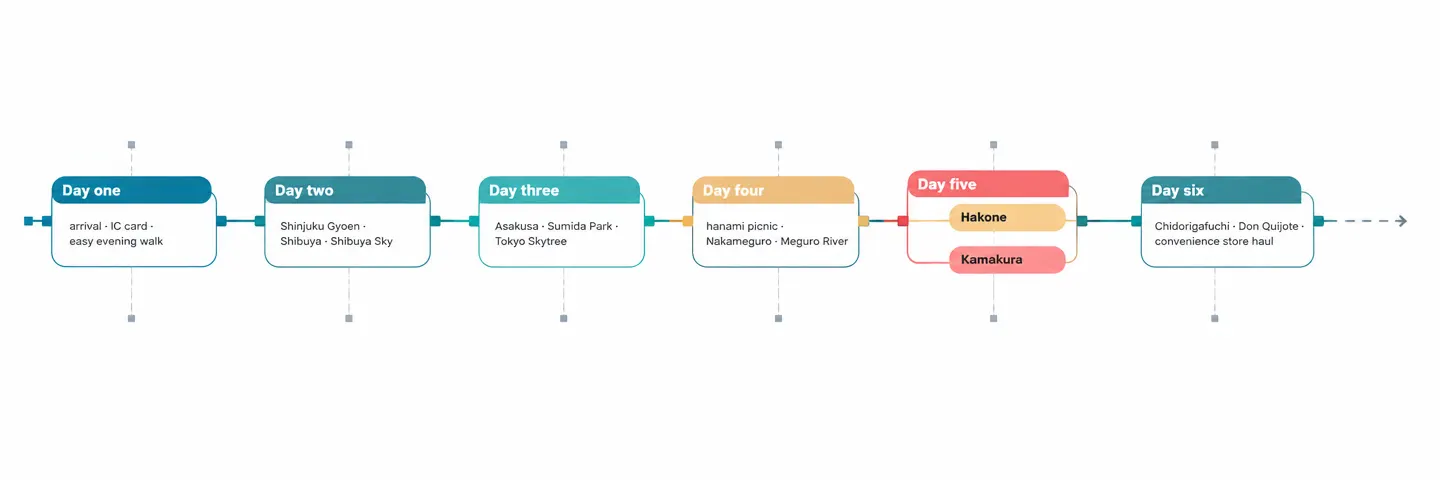
Treat this as a skeleton and let the bloom reports fill it in!
- Day 1: Arrive, sort out your IC card and take an easy evening walk near your hotel.
- Day 2: Shinjuku Gyoen in the morning, Shibuya in the afternoon, and sunset from Shibuya Sky.
- Day 3: Asakusa, Senso-ji and Sumida Park, then Tokyo Skytree as the light goes.
- Day 4: Hanami picnic day at Ueno or Yoyogi, a Nakameguro café crawl, and the lantern-lit Meguro River after dark.
- Day 5: Out to Kamakura or Hakone.
- Day 6: Chidorigafuchi in the morning, Don Quijote for gifts and one last convenience store haul for the flight.
The Part That Stays With You
What keeps pulling me back isn’t the photographs. It’s the salaryman on a tarp at Ueno at 9am holding a spot for colleagues who arrive at six. It’s the grandmother pointing her phone at the same branch for ten minutes. It’s the whole country agreeing, briefly, that something beautiful and temporary deserves everyone’s attention.
You can do this. Book the flight for late March, pack a jacket, and trust that the logistics sort themselves out faster than you expect. Want help planning the perfect trip, Plan Your Escape with us.
Check out our Japan Sakura videos, and join The Golden Hour newsletter for trip planning tips that make your next adventure happen sooner.