tokyo, beyond the blossoms.
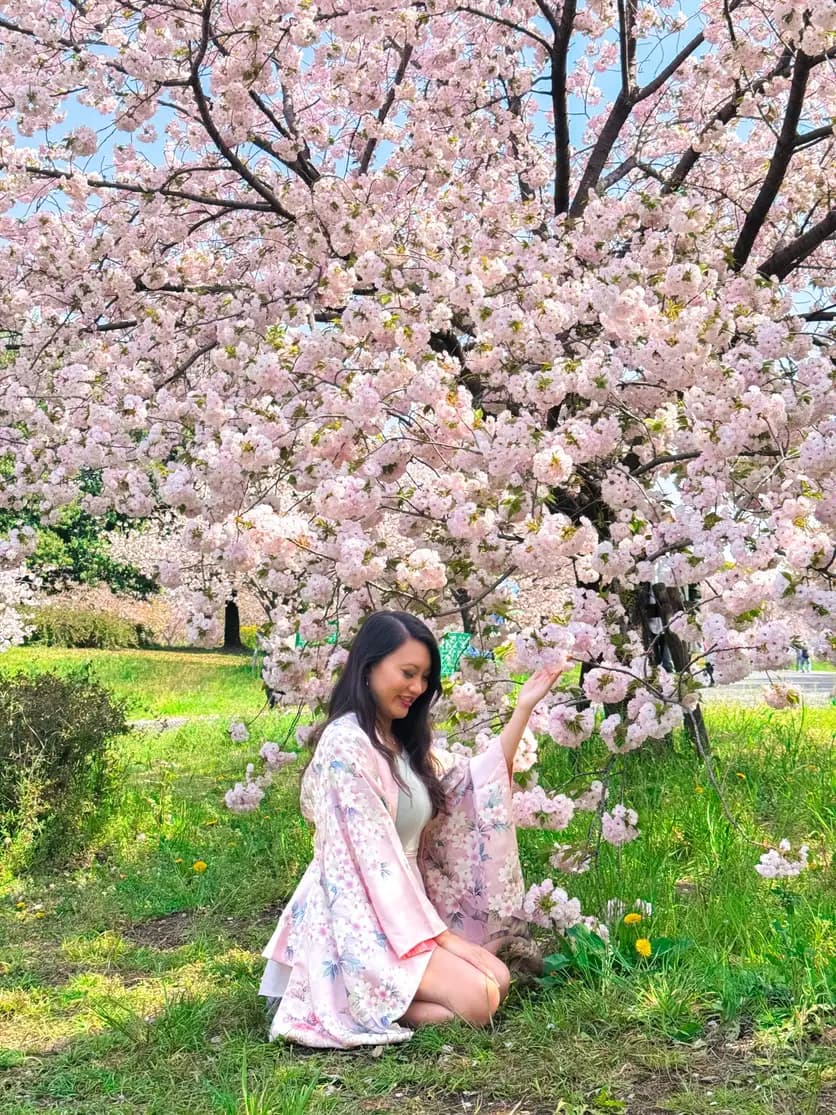
Most of my Tokyo stories involve a cherry tree, so Dustin made a fair point: what about the other eleven months? Tokyo is the city we keep coming back to whatever the season. We come back for egg sandwiches at 11 p.m., for a quiet shrine two streets from a ten-lane intersection, and for trains that make you slightly resent every other transit system on Earth.
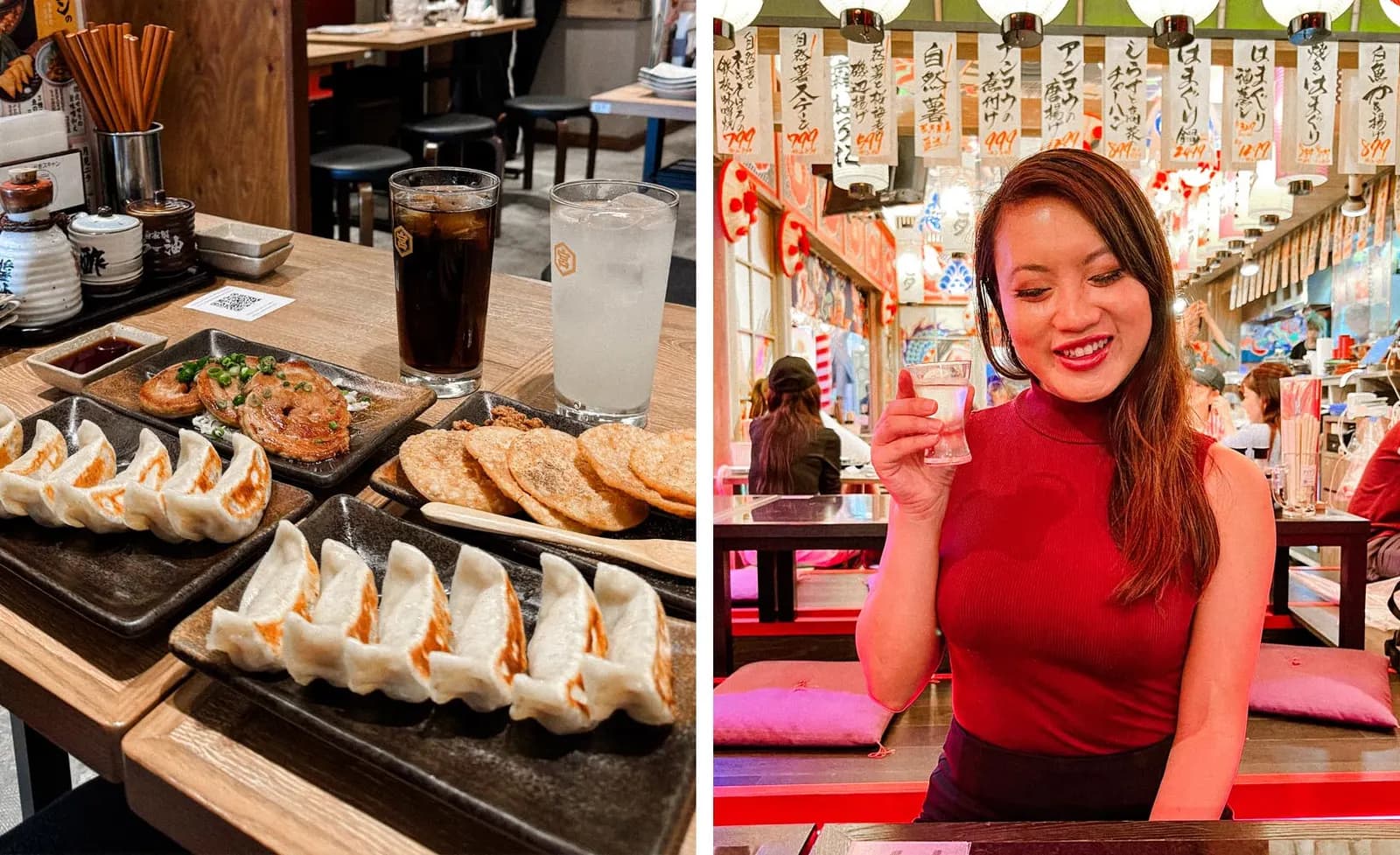
Tokyo is lively, there’s always something new and interesting to do but the real reason why we keep on coming back is because of the food! You don’t need to go to a michelin star or fancy restaurant to have amazing good quality food.
This is what we’d tell a friend planning a first trip. It covers what’s worth booking before you fly, which neighborhoods to wander, where we stay and eat, and the day trips that earn their train fare.
5-6 DAYS Snapshot
Best time to visit: Spring and Autumn
Weather: Very Humid summers, crisp sunny winters
Getting around: Trains, subways and plenty of walking with a Suica or Pasmo card.
Currency: Japanese yen, and carry cash for shrines, small shops and food stalls.
Language: Japanese, with basic English in tourist areas.
Airports: Narita (NRT) or Haneda (HND). Haneda sits closer to the city if you can choose.
Book Ahead: DisneySea, Ghibli Museum, Haute Couture Cafe, teamLab Planets or Borderless
When to Visit Tokyo
Spring and autumn are the easy answers. Late March to early April brings the cherry blossoms. If that’s why you’re going, start with our Tokyo cherry blossom guide, because timing is everything. Autumn is mild and clear, summer is hot but full of festivals, and winter is crisp and often cheaper.
Fly into Haneda if you can. Trains from there reach central Tokyo in under 30 minutes, while the Narita Express takes about an hour.
Tokyo Experiences Worth Booking
Tokyo rewards people who plan a little. A few of these sell out weeks ahead, so book them the moment your dates are set, then leave the rest of the trip loose.
Tokyo DisneySea
This is our favorite day in Tokyo, and there’s honestly nothing like it anywhere else. DisneySea is only in Tokyo. It’s built around ports of call, from a Venetian harbor to a volcano, and the detail is ridiculous. It’s made for grown-ups as much as kids. There are fewer princess castles and more atmosphere, and some restaurants serve beer. If you’ve done Disneyland at home, this is the one to pick. Adult 1-Day Passports run about ¥8,900–¥12,400 ($57–$80usd) depending on the date, and they’re sold online only, from two months out. Take the JR Keiyo Line to Maihama, then the Disney Resort Line to Tokyo DisneySea Station.
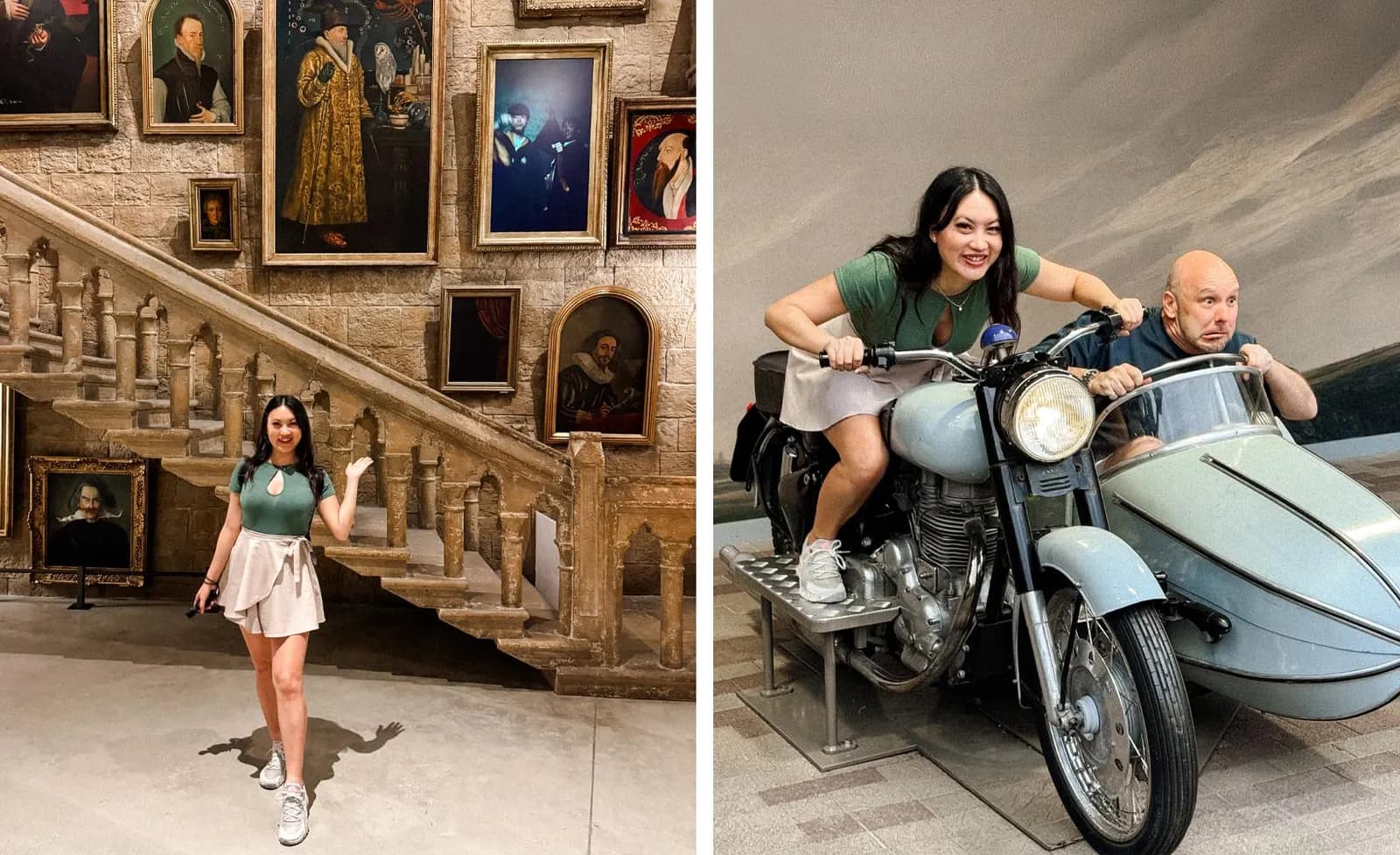
Warner Bros. Studio Tour Tokyo – The Making of Harry Potter
This is our favorite day in Tokyo, and there’s honestly nothing like it anywhere else. DisneySea is only in Tokyo. It’s built around ports of call, from a Venetian harbor to a volcano, and the detail is ridiculous. It’s made for grown-ups as much as kids. There are fewer princess castles and more atmosphere, and some restaurants serve beer. If you’ve done Disneyland at home, this is the one to pick. Adult 1-Day Passports run about ¥8,900–¥12,400 ($57–$80usd) depending on the date, and they’re sold online only, from two months out. Take the JR Keiyo Line to Maihama, then the Disney Resort Line to Tokyo DisneySea Station.
teamLab Planets (or Borderless)
We prefer Planets in Toyosu. You walk barefoot through knee-deep water and rooms of light and flowers, and it’s genuinely one of the strangest, loveliest hours we’ve spent in Tokyo. Watch our [YOUTUBE: teamLab Planets video] to see why. Tickets are timed, online only, and priced by date (adults from roughly ¥3,600–¥4,400). Wear shorts or pants you can roll up, and take the Yurikamome Line to Shin-Toyosu Station. Prefer to stay dry? teamLab Borderless at Azabudai Hills is a shoes-on maze of light with no set route.
Ghibli Museum
This small, magical museum is in Mitaka, on the edge of Inokashira Park. There are no tickets at the door. They go on sale through Lawson Ticket at 10 a.m. Japan time on the 10th of each month for the following month, and good dates sell out fast. Adults pay ¥1,000, plus a ¥110 booking fee from November 2026. It’s closed on Tuesdays. You can walk from Mitaka Station along the river or take the little community bus.
Haute Couture Cafe afternoon tea
The afternoon tea in Nakameguro is pure theater, with seasonal themes, pastel everything and desserts that look like jewelry. Seatings are two hours, reservations are required, and the current set is about ¥6,800 ($44). Pair it with a walk along the Meguro River.
Tsukiji Outer Market
The famous inner wholesale market and tuna auction moved to Toyosu in 2018, but the outer market is still here, and it’s still the best breakfast in town. Go around 8 or 9 a.m. and graze: tamagoyaki on a stick, grilled scallops, a seafood rice bowl, strawberries the size of your fist. Many stalls close by early afternoon, and plenty shut on Sundays, holidays and some Wednesdays. The nearest stations are Tsukiji and Tsukijishijo.
Tokyo Neighborhoods to Explore
We’d rather know one neighborhood deeply than see ten from a bus window, so give each of these an unhurried half day.
Shibuya
Start at the Scramble Crossing, the one you’ve seen in every Tokyo montage. Then go and find Hachiko. He was an Akita who met his owner, Professor Hidesaburo Ueno, at Shibuya Station every day. Ueno died suddenly in 1925, and Hachiko kept coming back to wait for him for nearly ten years, until he died in 1935. The bronze statue went up while he was still alive. It was melted down in the war and rebuilt in 1948, and the 2009 film Hachi: A Dog’s Tale will wreck you. Finish at Shibuya Sky at golden hour (from about ¥2,700 online, more for sunset slots).
Shinjuku
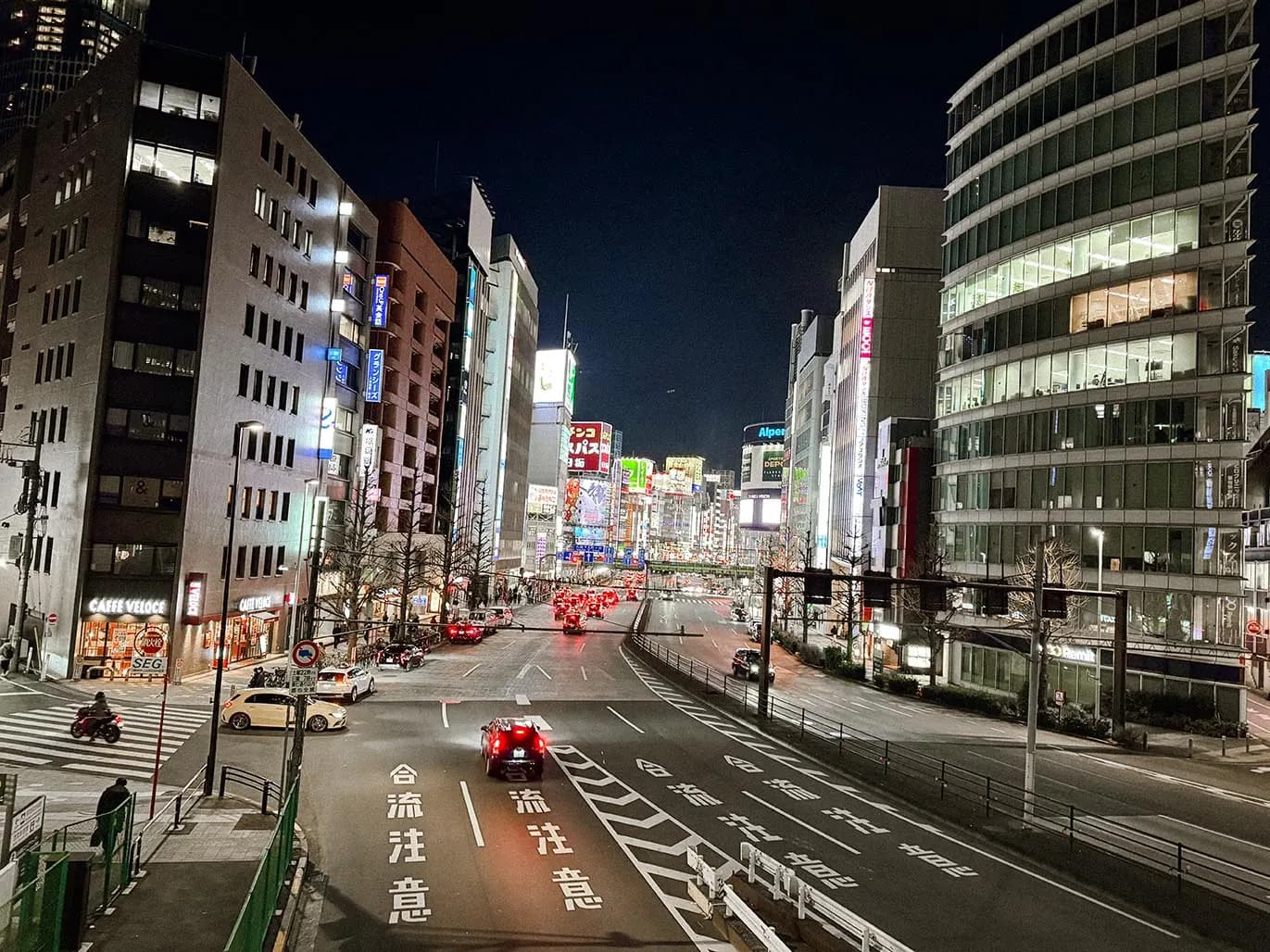
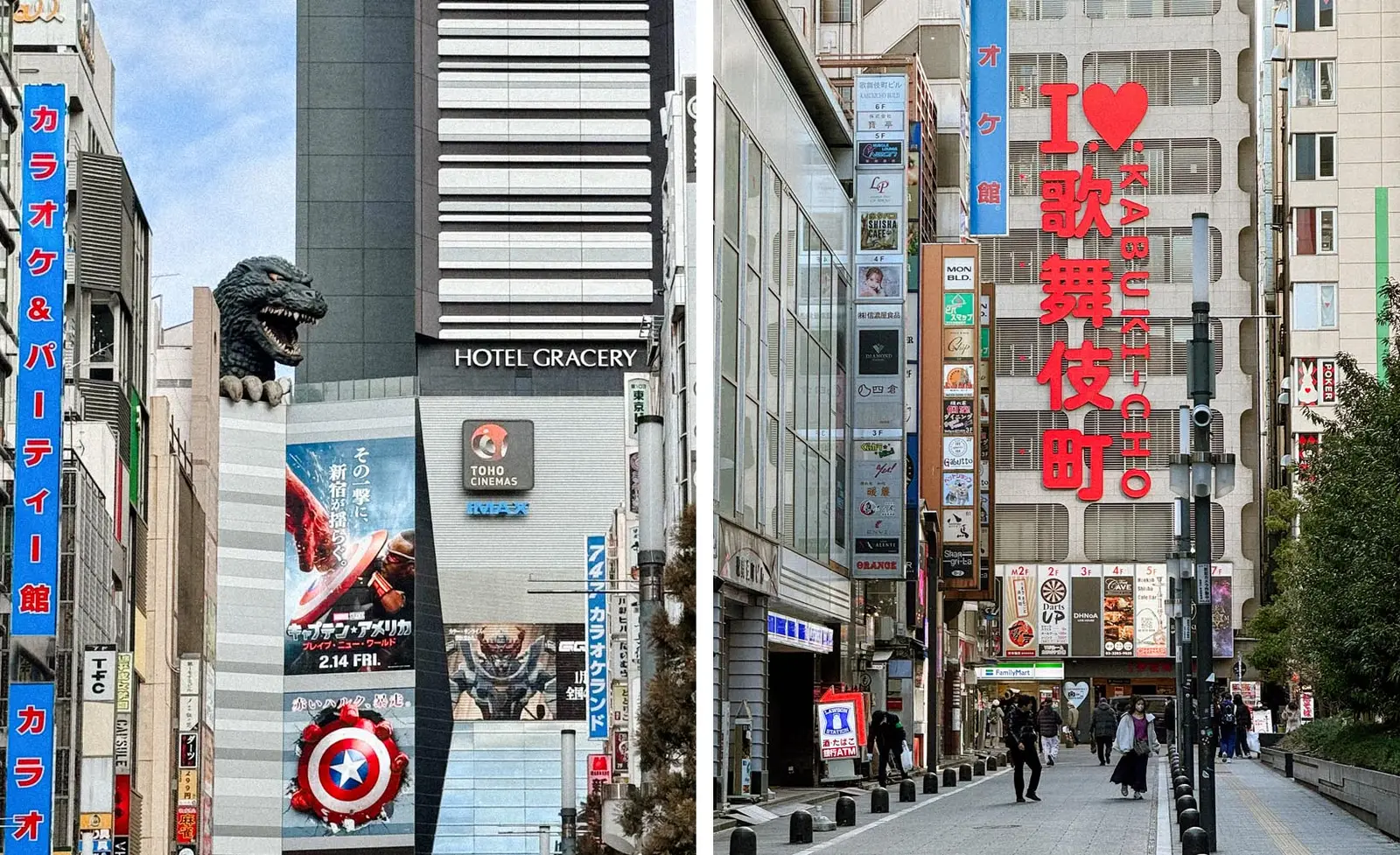
Shinjuku is the one we’d pick for nights out. A giant Godzilla head peers over the Toho building at Hotel Gracery, and it roars on the hour in the afternoons and evenings. Around it, Kabukicho buzzes all night. Then there’s Omoide Yokocho, or “Memory Lane.” It started as a black market after the war, and its old nickname, Piss Alley, comes from the days when it had no toilets. Now it’s tiny yakitori stalls, smoke and elbow-to-elbow counters. Golden Gai is a few blocks of bars that seat six people each, and many charge a cover of around ¥500–¥1,500. By day, Shinjuku Gyoen is the calm antidote.
Harajuku
Takeshita Street is loud, sugary and very fun, with rainbow crepes and teen fashion. Go on a weekday morning unless you like being carried along by the crowd. A few minutes away, Meiji Jingu’s forest path is free and open from sunrise to sunset, and it’s so quiet you’ll forget the city exists. Then stroll Omotesando, Tokyo’s tree-lined, grown-up shopping street.
Asakusa
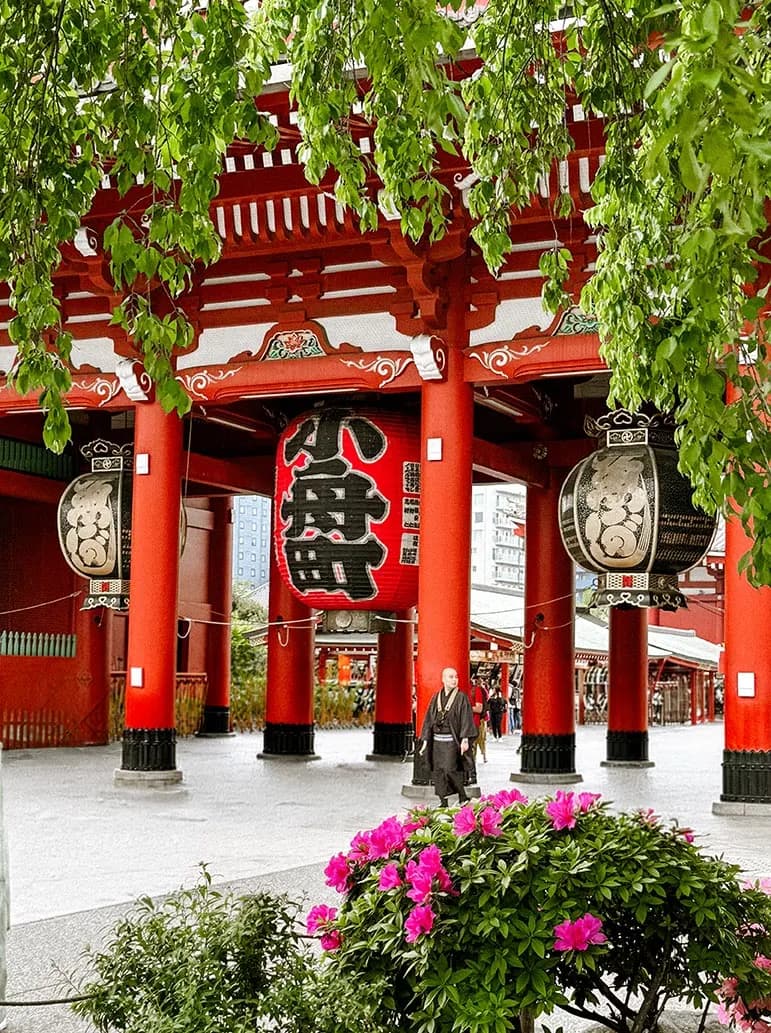
Get to Senso-ji early, before the tour groups, then snack your way down Nakamise Street. Walk along the Sumida River for views of Tokyo Skytree. If your dates line up with a grand sumo tournament (January, May or September), Ryogoku Kokugikan is just across the river. Book as soon as tickets go on sale, about five weeks ahead.
Akihabara
Anime, manga, retro game shops and multi-story arcades. The claw machines will get you eventually. Maid cafes are an experience. Expect an hourly cover charge plus a minimum order, and extra for photos.
Where to Stay in Tokyo
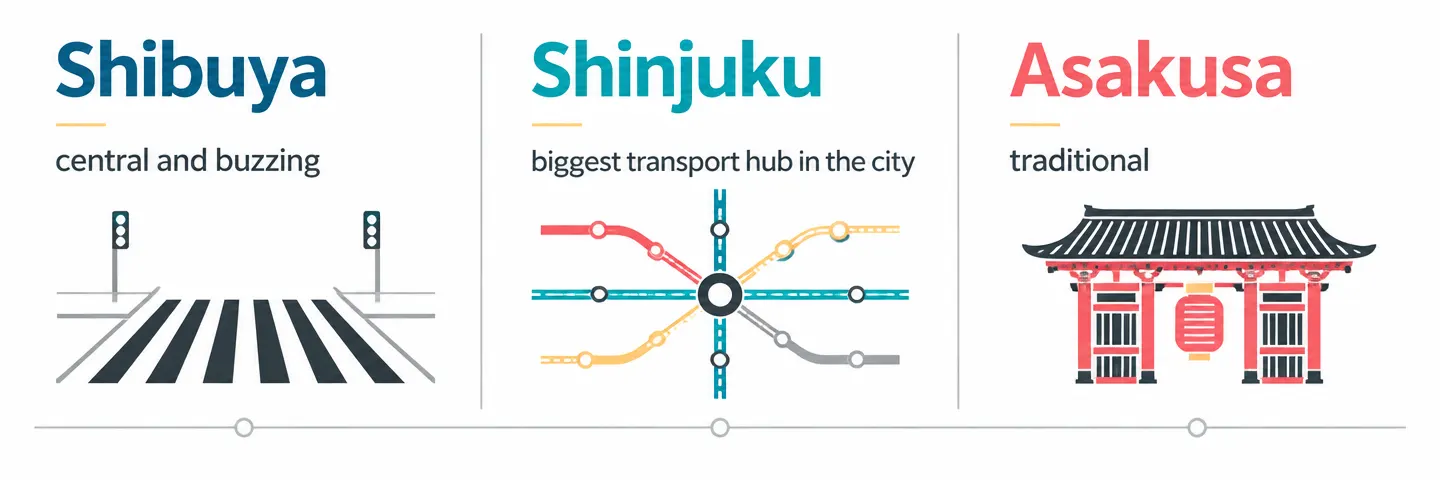
Tokyo’s transport is so good that your choice comes down to atmosphere. For a first visit, I point people toward Shinjuku for transport and nightlife, Shibuya for central buzz, or Asakusa for a traditional feel.
These hotels suit different travel styles and budgets.
Budget & Solo
- APA Hotels: Dependable budget chain with compact rooms near stations across the city. We like the Asakusa Tawaramachi Ekimae (with a rooftop bath), Shibuya Dogenzaka-Ue and Higashi Shinjuku Kabukicho Tower branches.
- The Millennials Shibuya: Modern capsule-style pods with a coworking space and social lounge. Great for solo travelers and remote workers.
- Resol Poshtel Tokyo Asakusa: A stylish, adults-only capsule hotel with private cabins. Another solid solo or nomad pick.
Mid-range & Boutique
- HOTEL TAVINOS Asakusa: Manga-themed interiors and compact rooms near Senso-ji Temple and excellent local food.
- Shibuya Tobu Hotel: Comfortable mid-range option minutes from Shibuya Station.
- Shibuya Granbell Hotel: Boutique rooms with modern design near Shibuya nightlife.
- Shinjuku Granbell Hotel: Contemporary rooms with a rooftop bar and easy access to Shinjuku attractions.
- MUSTARD HOTEL SHIMOKITAZAWA: Relaxed creative energy in a neighbourhood known for vintage shopping and cafés, perfect when you want something less touristy.
Airbnb works well in Tokyo, with one warning from experience: plenty of buildings have no elevator. If your apartment is on the fourth floor, you and your suitcase are getting a workout before the holiday starts.
Where to Eat in Tokyo
Food in Japan is so consistently good that you can walk into almost anywhere and eat well. These are the places Dustin and I return to.
- 7-Eleven and FamilyMart: The egg sandwiches deserve their reputation, and the onigiri, hot snacks, and desserts handle quick breakfasts, late-night cravings, and picnic supplies.
- Flipper’s Shibuya: Fluffy soufflé pancakes served sweet or savoury. Go early unless queuing is your hobby.
- ICHIRAN: Tonkotsu ramen ordered by vending machine and eaten in a private booth, which makes solo dining completely comfortable.
- Yakiniku Like: Fast, affordable Japanese BBQ with set meals you grill yourself, designed for solo diners and small groups.
- Kaikaya by the Sea, Shibuya: A lively Shibuya seafood izakaya with fresh sashimi, grilled fish, and creative sharing plates.
- Nikuju Gyoza Seisakujo Dandadan Sakaba: Juicy dumplings and izakaya classics in a casual setting built for long dinners.
- Gyoza no Fukuho, Shinjuku: Handmade gyoza that are crisp outside and juicy inside, simple and budget-friendly.
- Misojyu, Asakusa: Miso soup set meals near Asakusa, ideal for a lighter traditional breakfast or lunch.
- Neo Tokyo Izakaya, Shimokitazawa: A tucked-away neighbourhood spot with small plates, drinks, and a local crowd.

Learn three phrases and watch how people respond. — Sumimasen covers excuse me and sorry — Arigatou gozaimasu is thank you — Oishii means delicious. Say that last one in a small restaurant and you’ll make someone’s evening.
Easy Day Trips from Tokyo
With five or six days you have room for one or two of these, and each pairs beautifully with blossom season.
Mount Fuji & Kawaguchiko
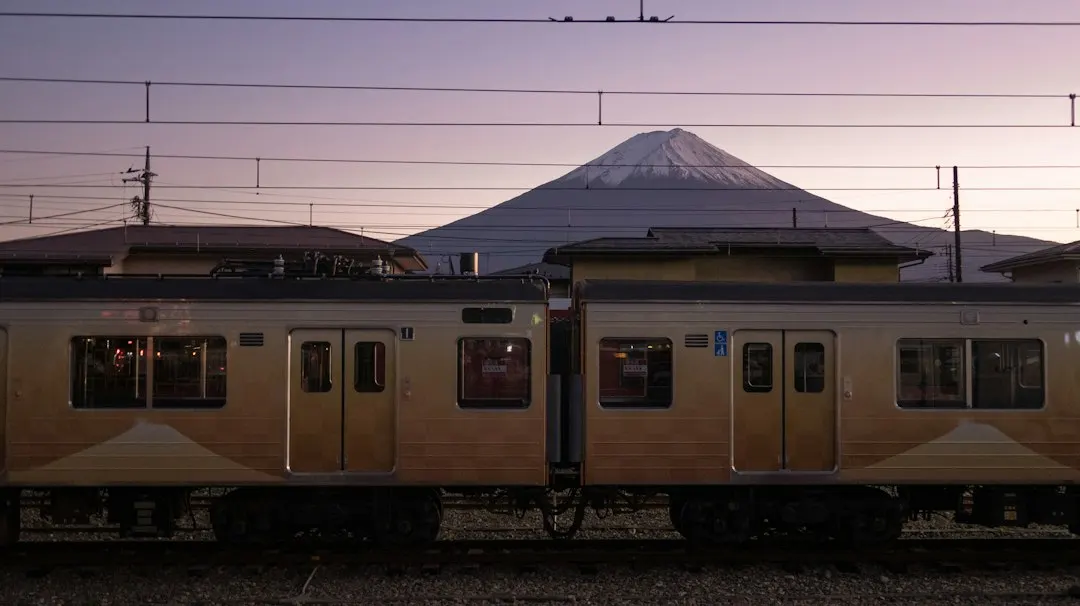
For the postcard view, head to Lake Kawaguchiko in the Fuji Five Lakes area. Highway buses from Shinjuku take about 1 hour 45 minutes and cost around ¥2,200. The Fuji Excursion train is roughly two hours. Climb the 398 steps to the Chureito Pagoda for the classic shot of the pagoda with Fuji behind it. Fuji hides in cloud a lot, so check the live cameras the night before and go early. Clear mornings, especially in the colder months, are your best bet.
Hakone
Hakone is hot springs, mountains and a bit of whimsy. Ride the ropeway over the steaming vents at Owakudani, then cross Lake Ashi on a pirate ship (yes, really). The Hakone Freepass covers the round trip from Shinjuku plus the ropeway, boats and local buses, and costs ¥7,100 for two days. It’s worth staying a night in a ryokan with its own onsen. New to onsen? Our FREE First Time Guide to Onsens in Japan walks you through the etiquette.
Yokohama
Yokohama is only about 30 minutes from central Tokyo. Eat your way through Chinatown, then walk the Minato Mirai waterfront at sunset. At the Cup Noodles Museum (¥500, closed Tuesdays), you can design your own cup for another ¥500. It’s silly and we loved it.
Send Your Suitcase Ahead
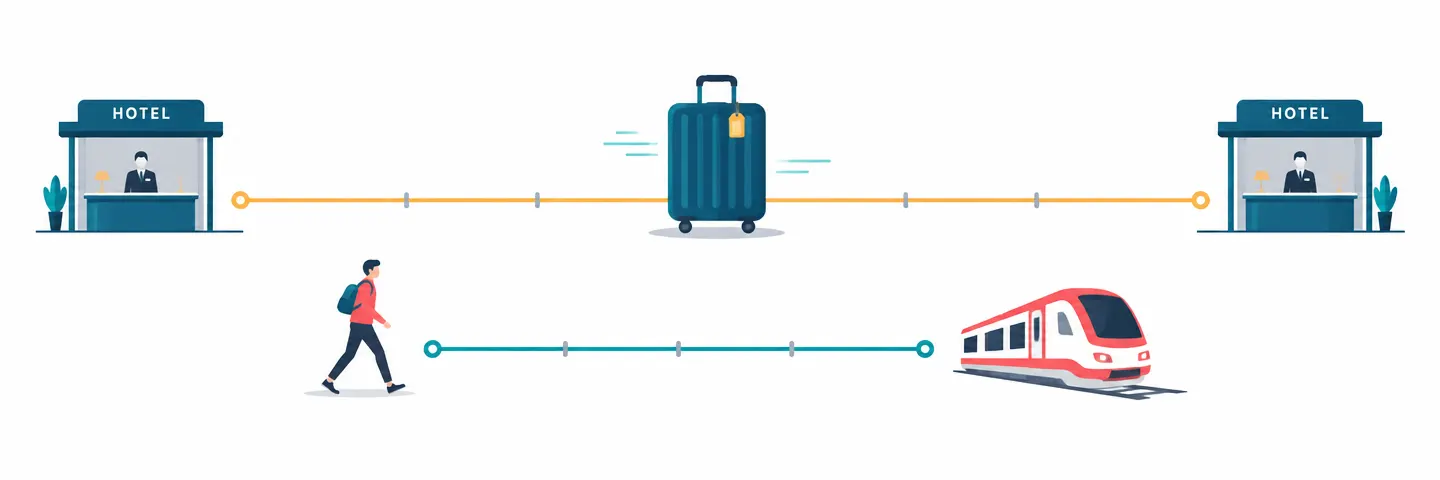
Japan’s luggage delivery moves bags between hotels with almost unsettling reliability. At reception, say “Takkyubin onegaishimasu” and staff will fill in the Yamato TA-Q-BIN forms with you. A standard suitcase from Tokyo to Kyoto or Osaka costs about ¥2,170–¥3,160 (roughly $14–$21) and usually arrives the next day.
Do you need a JR Pass? Not for Tokyo and these day trips. A 7-day pass is ¥50,000 on the official site, and the routes above are cheaper on a Suica card and single tickets.
Arrange your delivery at least one day before checkout, and keep a day or two of clothes and essentials in a small backpack. Rolling onto the bullet train with a light bag and a bento is one of the great small pleasures of travelling here.
A 5-day Tokyo itinerary (plus a flex day)
Each day sticks to one part of the city, so you spend more time exploring and less time on trains.
- Day 1 – Shinjuku: Arrive, drop your bags and say hi to Godzilla. Have dinner in Omoide Yokocho, then drinks in Golden Gai.
- Day 2 – Harajuku & Shibuya: Meiji Jingu Shrine early, then Takeshita Street and Omotesando. Head down to Shibuya to see Hachiko and the Scramble, and catch sunset at Shibuya Sky. Swap in Haute Couture Cafe in Nakameguro if you’ve booked it.
- Day 3 – Tsukiji, Toyosu & Ginza: Breakfast at Tsukiji Outer Market and teamLab Planets late morning. In the afternoon or a wander around Ginza and get some shopping done.
- Day 4 – Tokyo DisneySea: Rope drop to fireworks. Wear your comfiest shoes. Then head back to your area and get some shabu shabu hotpot after a long day.
- Day 5 – Asakusa & Akihabara: Senso-ji Shrine early, then shop around, hire a kimono and walk around. Then spend the late afternoon in Akihabara arcades and buy your electronic needs here.
- Day 6 – Flex Day: Mount Fuji, Hakone or Yokohama. Or, for fans, Harry Potter at Toshimaen paired with the Ghibli Museum in Mitaka (book both well ahead).